
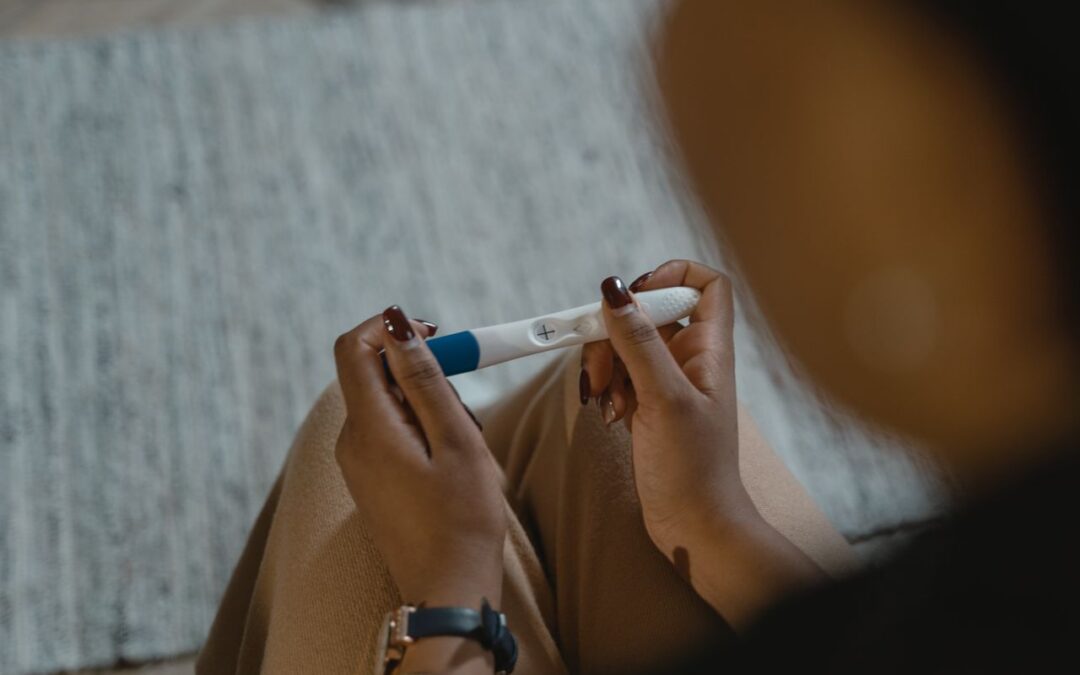
When faced with decisions regarding an unplanned or medically complex pregnancy, having access to clear, evidence-based clinical information is essential. Understanding early pregnancy termination options and recovery aftercare empowers patients to make informed choices in a safe, medically supervised environment.
At Connect Women’s Clinic, we adhere strictly to South Africa’s statutory clinical frameworks to provide confidential, high-quality care. This guide outlines early-stage clinical care options, what to expect during physical recovery, and key aftercare protocols.
1. Clinical Options for Early Pregnancy Termination
In South Africa, reproductive health services are regulated under the Choice on Termination of Pregnancy Act (Act 92 of 1996). During the early stages of pregnancy (typically up to 12 weeks), care is provided following an individual clinical assessment conducted by qualified healthcare practitioners.
Depending on gestational age, physical health history, and clinical evaluation, care protocols focus on ensuring safety, efficacy, and patient comfort:
- Clinical Assessment & Screening: Every patient undergoes a pre-care evaluation, including health history review and physical screening, to confirm eligibility and determine gestational stage.
- Medically Supervised Guidance: All approved treatments utilize SAHPRA-regulated S4 prescription items administered according to strict dosage protocols under doctor or nurse oversight.
- Informed Consent & Counseling: Non-directive pre-care counseling is offered to address questions, discuss recovery timelines, and review future family planning goals.
2. What to Expect During Physical Recovery
Physical recovery following an early termination varies for each individual, but following clinical guidelines ensures a safe healing process. Patients receiving care at our primary facility in Pretoria Central or surrounding regional clinics in Pretoria East, Pretoria West, or Centurion receive comprehensive recovery plans.
• Cramping & Physical Discomfort
Mild to moderate uterine cramping is a expected part of the body returning to its non-pregnant state. Practitioners usually recommend approved over-the-counter pain relievers (such as ibuprofen or paracetamol) along with applying warm compresses to the lower abdomen.
• Bleeding & Spotting
Light to moderate bleeding or spotting is normal and may continue intermittently for 1 to 2 weeks. Using sanitary pads rather than tampons during the immediate recovery phase helps prevent infection.
• Rest & Daily Activities
Most patients can resume light, routine daily activities within 24 to 48 hours. Strenuous physical exercise, heavy lifting, and swimming or bathing in open water should be avoided until cleared by your healthcare provider.
3. Important Aftercare & Infection Prevention Guidelines
To support smooth healing and protect against pelvic infections, adhere to these key clinical aftercare guidelines:
- Use Sanitary Pads: Avoid tampons or menstrual cups for at least 1 to 2 weeks post-procedure.
- Avoid Penetrative Intercourse: Refrain from sexual intercourse until bleeding has ceased and your medical follow-up is complete.
- Complete Prescribed Medications: If prophylactic antibiotics or pain medications were prescribed, complete the full course as directed.
- Maintain Hydration & Rest: Ensure adequate fluid intake and prioritize rest during the first few days post-care.
4. When to Contact a Doctor Immediately (Red-Flag Warning Signs)
While severe complications are rare when care is administered by licensed professionals, patients must monitor their recovery carefully. Seek prompt medical evaluation if you experience any of the following warning signs:
- Heavy Bleeding: Soaking through two or more maxi sanitary pads per hour for two consecutive hours.
- Severe Unrelieved Pain: Severe abdominal or pelvic pain that does not improve after taking recommended pain medications.
- High Fever: Temperature exceeding 38°C or persistent chills lasting more than 24 hours.
- Abnormal Discharge: Foul-smelling vaginal discharge accompanying pelvic pain.
Frequently Asked Questions About Recovery
Q: What can I expect during physical recovery after an early termination?
Mild to moderate cramping and light bleeding are normal parts of physical recovery over 1 to 2 weeks. Resting, staying hydrated, and using approved over-the-counter pain relief help support recovery.
Q: When can I resume normal daily activities?
Most patients return to light daily routines within 24 to 48 hours, while strenuous physical activity should be paused for 1 to 2 weeks based on clinical advice.
Q: Is a follow-up review necessary?
Yes. A follow-up consultation or screening ensures complete recovery, confirms overall physical well-being, and provides an opportunity to discuss long-term contraceptive options.